



Medical aid in starfield explained
In Starfield, medical aid involves treating both overall health and specific afflictions caused by a dangerous galaxy. Players can use medical “Aid” items, visit a doctor for a quick fix, sleep, or take advantage of specific skills to stay healthy.
Healing health and curing afflictions
Starfield‘s medical system separates general health restoration from curing status effects, or “afflictions.” When your health is low, your health bar will appear faded, showing how much you can heal. Afflictions, such as a fractured limb or lung damage, apply negative effects to your character and are shown by a unique icon on your status menu.
Where do I find all health related information and icons in the game?

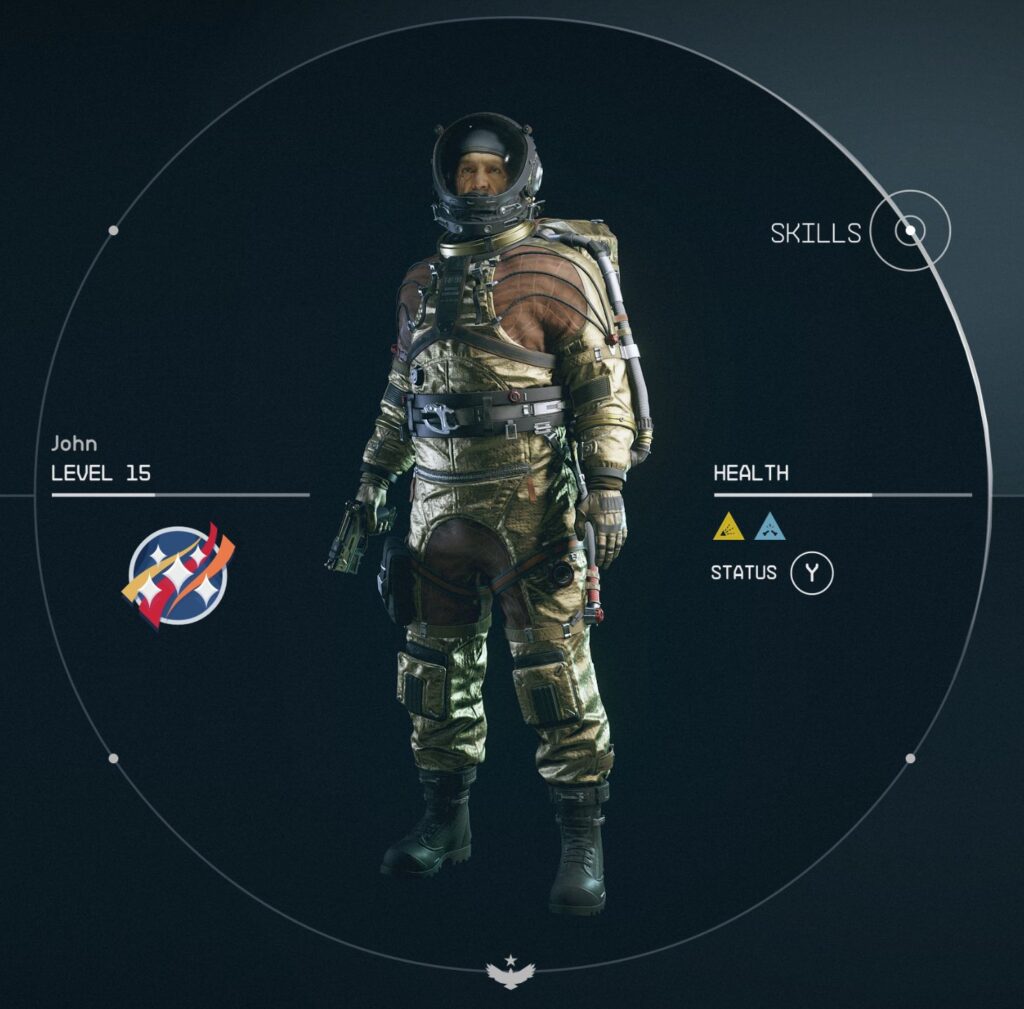

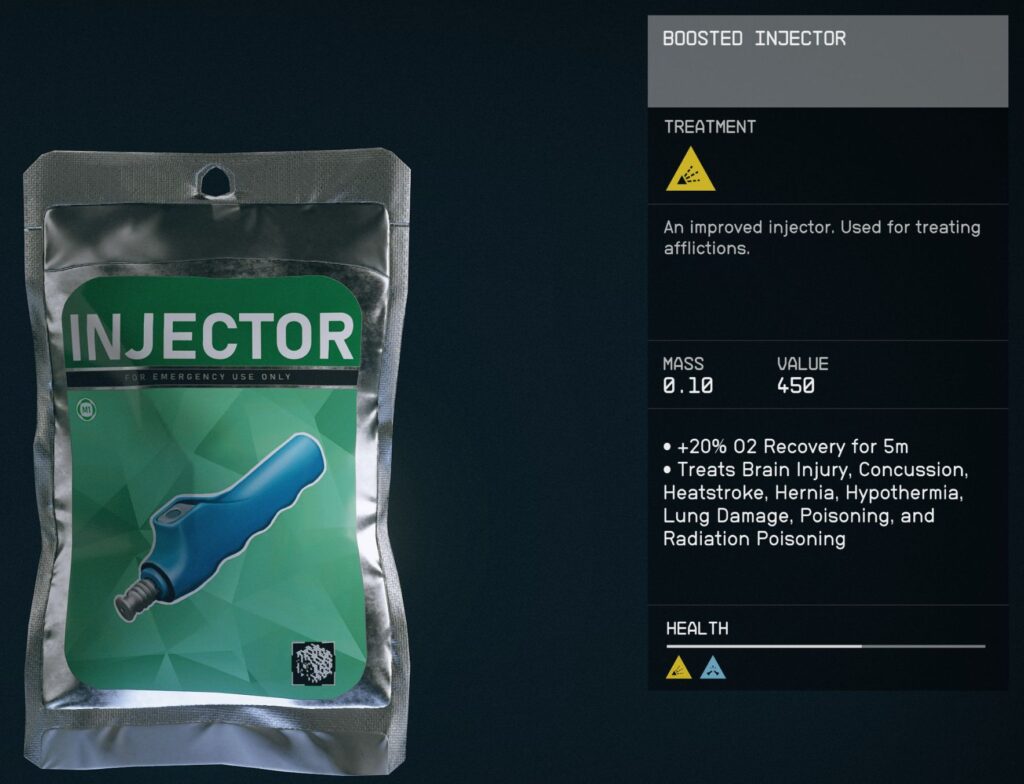
Healing your health:
- Med packs and kits: These items restore health over time and are the primary way to heal quickly during combat. Basic Med Packs are often auto-assigned to a quick-access slot when you begin the game.
- Food and drinks: Consumable food and drink items restore a small amount of health and can also provide temporary buffs.
- Sleeping: Taking a nap or a full rest at your ship’s bed or a rented bed in a city will fully restore your health.
Curing afflictions:
- Specific aid items: In your inventory’s “Aid” section, you can find items designed to treat specific afflictions. An icon on your status screen indicates the affliction, and you can match it to the corresponding icon on a specific cure item. Common examples include using an Immobilizer for a fractured limb or an Antibiotic for an infection.
- Generic cures: Some aid items, like Panacea or Snake Oil, can treat a wide range of afflictions at once, making them extremely useful to have on hand.
- Visiting a doctor: For a fee of 500 credits, you can visit a doctor in a major city to instantly cure all your afflictions and fully restore your health. Major settlements like New Atlantis and Neon have medical facilities, such as Reliant Medical.
- Passive recovery: Afflictions have a prognosis rating that improves over time. As your prognosis changes from “Poor” to “Excellent,” there is an increasing chance the affliction will heal on its own without using a treatment item.
| Color/Symbol | Type of Wounds Indicated | How to Heal |
| Purple Pill | Infections | Doctor Treatment, Antibiotics, Penicillin X, Antibiotic Paste, Antibiotic Cocktail, Analgesic Poultice, Panacea |
| Red Bandage | Lacerations, Contusions, Puncture Wounds | Doctor Treatment, Bandages, Infused Bandages, Repairing Immobilizer, Analgesic Poultice, Panacea |
| Yellow Dispersal | Brain Injury, Concussion, Heatstroke, Hernia, Hypothermia, Lung Damage, Poisoning, Radiation Poisoning, Addiction | Doctor Treatment, Junk Flush (Addictions only), Injector, Snake Oil, Panacea |
| Orange Flame | Burns, Frostbite | Doctor Treatment, Heal Gel, Heal Paste, Antibiotic Paste, Infused Bandages, Analgesic Poultice, Panacea |
| Blue Broken Bone | Dislocated Limbs, Fractured Limb, Fractured Skull, Sprain, Torn Muscle | Doctor Treatment, Immobilizer, Repairing Immobilizer, Repairing Immobilizer |
Useful skills and items
A few key skills and items can greatly improve your medical capabilities:
- Medicine skill: Located in the Science skill tree, this perk increases the effectiveness and speed of your Med Packs, Trauma Packs, and Emergency Kits. At higher ranks, it even gives these items a chance to cure an affliction.
- Wellness skill: In the Physical skill tree, the Wellness perk simply increases your overall maximum health.
- Medical items: Always keep a variety of medical items, including Med Packs for general healing and specific ailment cures, on you. First Aid stations found throughout facilities and outposts are a great source for stocking up.